
Table of Contents
Let’s be real for a second. When we talk about “maintain a healthy weight,” it’s easy to get caught up in how we look. But honestly? It’s so much more than that. Think of it as your body’s way of telling you it’s happy and balanced. When you’re at a good weight for you, you usually have more energy to play with your kids or dog, feel stronger, have a better mood, and give your heart and overall health a massive high-five.
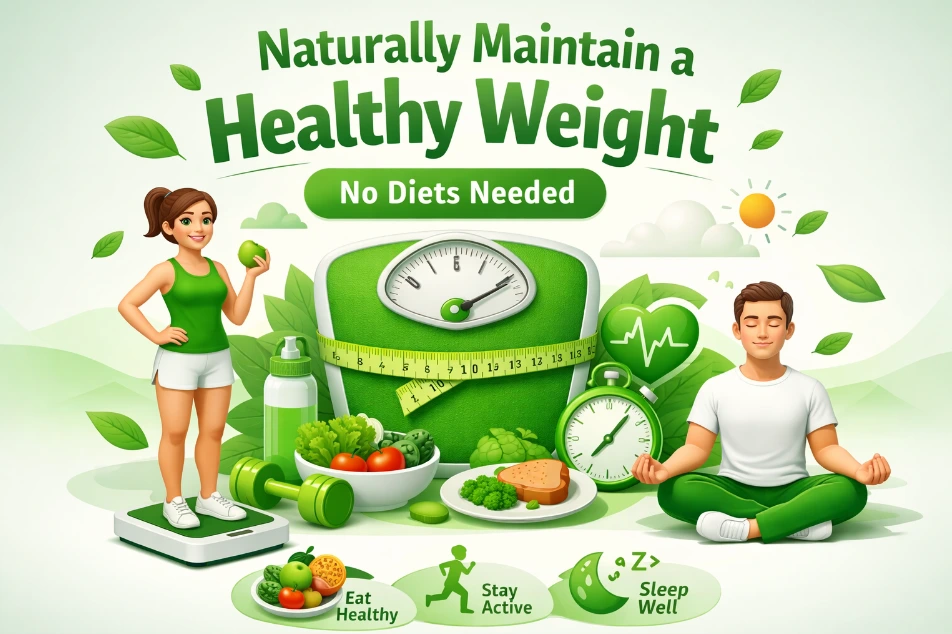
The absolute best part? You don’t need a crash diet, a gym membership you’ll never use, or any magic pill to get there. It’s really about getting back to basics and building simple, kind habits that fit into your real life.
In this guide, let’s walk through what a healthy weight actually means, how to find a realistic goal for yourself, and—most importantly—how to maintain a healthy weight naturally, without losing your mind.
So, What Does “Healthy Weight” Even Mean?
Forget what social media tells you. A healthy weight isn’t about being a certain size or fitting into a trend. It’s about finding the right balance of muscle, bone, and fat that allows your body to function at its best. It’s deeply personal—what’s healthy for your best friend might not be healthy for you, and that’s totally okay.
When you’re in your healthy weight zone, you might notice:
- You have more consistent energy throughout the day.
- Your body feels stronger and more capable.
- You sleep better and wake up feeling rested.
- You get sick less often and recover faster.
Finding Your “Sweet Spot”: What’s a Healthy Weight for You?
Okay, let’s talk numbers for a minute. They’re just one piece of the puzzle, but they can be a helpful starting point.
1. The Height and Weight Connection
Doctors often use something called BMI (Body Mass Index) as a quick reference. It’s a simple calculation using your height and weight. While it’s not perfect (it doesn’t know if your weight is from muscle or fat), it gives you a general idea.
- Below 18.5: Underweight
- 18.5 – 24.9: Healthy Weight Range
- 25 – 29.9: Overweight
- 30+: Obese
2. A Quick Look at Ideal Weight Ranges
Remember, these are just estimates! They don’t account for your amazing muscle mass or your unique bone structure. Think of them as a very rough guide, not a strict rule.
| Height | Approx. Range (Women) | Approx. Range (Men) |
|---|---|---|
| 5’0” (152 cm) | 44 – 56 kg | 48 – 59 kg |
| 5’4” (162 cm) | 54 – 68 kg | 57 – 70 kg |
| 5’8” (172 cm) | 63 – 79 kg | 66 – 81 kg |
| 6’0” (182 cm) | 72 – 90 kg | 76 – 92 kg |
3. How to Gauge Your Progress at Home
The scale is just one tool in your toolbox. Don’t let it be the boss of you! Here are a few other simple ways to check in with yourself:
- Weigh yourself (wisely): Once a week is plenty. Our weight fluctuates daily due to water, salt, and all sorts of things.
- Grab a measuring tape: Your waist measurement is a great health indicator. A good goal is to keep it under 35 inches for women and 40 inches for men.
- Think about body fat: If you’re curious, there are online calculators that can give you a more detailed picture of your lean mass versus fat mass. You can find a helpful one here: Body Fat Percentage Calculator Online – Lean Mass, Fat Mass & Health Analysis.
And if you’re getting more active (which we’ll talk about next!), you might also enjoy using a tool to see how many calories you’re burning. This [Free Calorie Burn Calculator by Activity & Workout](insert link) can be fun to play around with.
Simple, Natural Ways to Maintain a Healthy Weight (Without the Stress)
This is the good stuff. These aren’t “diet rules,” they’re just healthy habits that, when you stack them together, make a huge difference.
1. Fill Your Plate with Good Stuff
Think of your plate as a colorful canvas. Aim to fill half with veggies, a quarter with a lean protein (like chicken, beans, or tofu), and a quarter with whole grains (like brown rice or quinoa). This combo keeps you full and satisfied.
2. Be a Sugar Detective
Sugar hides in so many things—sauces, drinks, “healthy” snacks. Start by cutting back on the obvious culprits like soda and packaged cookies. When a craving hits, try reaching for a piece of fruit, a handful of nuts, or a yogurt. It’s a simple swap that your body will thank you for.
3. Drink Up (Water, That Is!)
Water is your body’s best friend. It helps with everything from digestion to energy. Sometimes we even mistake thirst for hunger! Keeping a water bottle on your desk is a great reminder to sip throughout the day.
4. Move Your Body in a Way You Love
This is key. Don’t force yourself to run if you hate it. Find movement you actually enjoy. It could be a daily walk with a podcast, a dance class, biking with the family, gardening, or a yoga video in your living room. Aim for 30-60 minutes most days, but even 15 minutes is a win.
5. Don’t Underestimate Sleep
When you’re sleep-deprived, your body literally produces more hunger hormones. It’s a biological drive to overeat. Prioritizing 7-8 hours of quality sleep is one of the most powerful things you can do for your weight.
6. Find Your Calm
We all have stress. The key is finding healthy ways to manage it. When we’re stressed, we often crave comfort food. Try swapping that with a few minutes of deep breathing, a quick walk outside, or listening to your favorite song. It helps reset your brain.
Your Go-To Guide for Everyday Life
Here are some tiny habits that lead to big results over time:
- Eat breakfast, even if it’s small. It kick-starts your metabolism.
- Slow down when you eat. It takes your brain about 20 minutes to realize your stomach is full.
- Try to finish your last meal a few hours before bed.
- Load up on fiber. Veggies, fruits, and whole grains are your friends.
- Celebrate the small wins! You stayed hydrated all week? Amazing. You took a walk three times? That’s awesome.
A Day on Your Plate Might Look Like This:
- Breakfast: A bowl of oatmeal topped with fresh berries.
- Morning Snack: A small handful of almonds.
- Lunch: A big salad with grilled chicken, avocado, and a side of brown rice.
- Afternoon Snack: Carrot and cucumber sticks with a little hummus.
- Dinner: Baked fish or tofu with a side of roasted broccoli and sweet potato.
Keeping Track (The Easy Way)
The best way to stay on track is to check in with yourself now and then. You can use a simple notebook, an app, or free online tools. These resources can give you a bigger-picture view of your health, helping you see how your habits are paying off:
- Free Online Weight Loss Tracker with BMI Calculator
- Free Fitness Level Calculator Online by Age & Gender
Watch Out for These Common Pitfalls
We’re all human, and it’s easy to slip into these patterns without realizing it:
- Skipping meals (it often leads to overeating later).
- Mindless snacking in front of the TV.
- Being sedentary for most of the day.
- Skimping on sleep.
- Not drinking enough water.
A Final Thought From Me to You
Maintaining a healthy weight isn’t a destination you arrive at; it’s a gentle, ongoing journey. It’s about building a lifestyle that feels good, not restrictive. It’s about being kind to your body, listening to what it needs, and making small, sustainable choices most of the time.
Your ideal weight is a guide, not a judgment. Focus on how you feel—your energy, your strength, your mood. Those are the metrics that truly matter.
Be patient with yourself, build those healthy habits one by one, and celebrate how good it feels to take care of the only body you’ll ever have. You’ve got this.
Naturally Maintain a Healthy Weight – Frequently Asked Questions
What is the easiest way to maintain weight naturally?
The easiest way is to eat balanced meals, stay active, drink enough water, and sleep properly. Small daily habits help the body maintain balance naturally.
What is a healthy weight for my height?
Healthy weight depends on height, age, and body composition. BMI calculators and weight charts can help estimate the ideal range.
How can I check ideal body weight at home?
You can calculate BMI using your height and weight or use online tools like BMI calculators and body fat analyzers.
Do I need strict dieting to maintain weight?
No. Strict diets are not necessary. Balanced eating and regular activity are enough to naturally maintain a healthy weight.
How much exercise is needed daily?
About 30 minutes of moderate physical activity, such as walking or cycling, is usually enough for maintaining weight.
Naturally Maintain a Healthy Weight – Final Thoughts
Maintaining a healthy weight does not require complicated rules or expensive programs. The secret lies in simple habits practiced every day.
By understanding ideal weight according to height and age, learning about healthy body weight for men and women, and knowing how to check ideal body weight at home, you can make better decisions about your health.
Focus on simple ways to maintain body weight, follow healthy weight tips for daily life, and remember that your body works best when it receives balanced care.
Just like a plant grows with sunlight and water, your body grows stronger with healthy food, movement, rest, and positive habits.
Start with small steps today, and your body will naturally move toward a healthier and happier life.